What is the Metaverse Explained: Your Ultimate Guide
August 17, 2026 15 min read 2,912 words
Dive into the immersive digital future where virtual and physical realities converge, transforming how we interact and experience.
Explore the Metaverse Now
Demystifying the Metaverse: A Comprehensive Definition
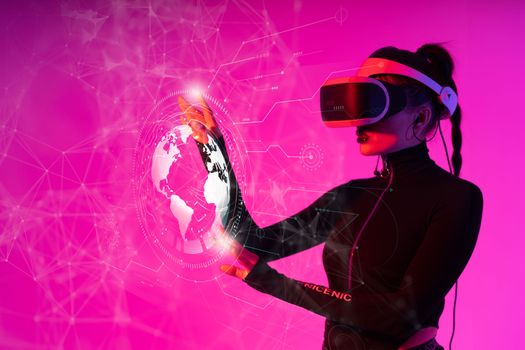 Photo: Atlantic Ambience / Pexels
The term 'metaverse' has rapidly entered public consciousness, often sparking both excitement and confusion. At its core, the metaverse is envisioned as a persistent, interconnected network of 3D virtual worlds. It's not a single destination but rather a continuum of experiences, much like the internet itself is not one website but a vast collection of them. Think of it as the next evolution of the internet, moving from a flat, 2D browsing experience to an immersive, 3D, and often real-time interactive one. This digital realm aims to blur the lines between our physical and virtual lives, offering new ways to socialize, work, play, and create. Unlike current online games or virtual reality experiences, which are typically siloed, the true metaverse promises interoperability. This means your digital identity, assets, and experiences could seamlessly transition from one virtual world to another, much like you can use your email address across various websites today. The concept isn't entirely new; science fiction writers have explored similar ideas for decades, with Neal Stephenson's 1992 novel 'Snow Crash' often credited with coining the term. However, recent advancements in technology, particularly in virtual reality (VR), augmented reality (AR), blockchain, and artificial intelligence, have brought the metaverse closer to becoming a tangible reality. It's a grand vision, one that requires significant technological infrastructure, standardization, and widespread adoption to fully materialize. Understanding the metaverse begins with recognizing it as a shared, persistent, and interactive digital space where users, represented by avatars, can engage with each other and with digital objects in a way that feels increasingly natural and intuitive. It's about creating a sense of 'presence' – the feeling of actually being there, even when physically located elsewhere. This goes beyond simple video calls or online gaming; it's about building a parallel digital existence that offers rich, meaningful interactions and opportunities. The metaverse is not owned by a single entity, though many companies are investing heavily in building their own versions or components of it. Instead, it's expected to be a decentralized ecosystem, with various platforms and technologies contributing to its overall fabric. This decentralized nature is crucial for its long-term viability and for fostering an open, innovative environment. The potential applications are vast, ranging from enhanced social interactions and remote work to education, entertainment, and commerce. Imagine attending a virtual concert with friends from across the globe, collaborating on a 3D design project with colleagues in a shared virtual workspace, or learning about ancient history by exploring a meticulously recreated digital Rome. The metaverse seeks to offer these experiences and more, transforming how we perceive and interact with digital information.
The future of technology is undeniably intertwined with the development of these immersive digital spaces.
The Core Technologies Powering the Metaverse Evolution
 Photo: https://kaboompics.com/ / Pexels
The ambitious vision of the metaverse relies on a convergence of advanced technologies, each playing a critical role in its development and functionality. Understanding these foundational elements is key to grasping how the metaverse operates and its potential impact. Firstly, Virtual Reality (VR) and Augmented Reality (AR) are paramount. VR headsets, like Meta Quest or Valve Index, immerse users fully in a digital environment, blocking out the physical world. This provides the deep sense of presence essential for truly feeling 'inside' the metaverse. AR, on the other hand, overlays digital information onto the real world, enhancing our physical surroundings. Devices like smart glasses, when they become more sophisticated and ubiquitous, will allow for seamless integration of digital elements into our daily lives, from navigating with holographic directions to interacting with virtual objects placed in our living rooms. These immersive technologies are the primary interfaces through which users will experience the metaverse, making the digital world feel tangible and interactive. Secondly, blockchain technology and Non-Fungible Tokens (NFTs) are fundamental to the metaverse's economic and ownership structures. Blockchain provides a decentralized, transparent, and immutable ledger for recording transactions and ownership. This is crucial for establishing digital property rights within the metaverse, allowing users to truly own digital assets like avatars, virtual land, clothing, and unique collectibles. NFTs, built on blockchain, represent unique digital items that cannot be replicated, ensuring scarcity and verifiable ownership. This enables a robust digital economy where users can buy, sell, and trade assets with confidence, creating real-world value from virtual goods. Cryptocurrencies, also powered by blockchain, serve as the native currencies within many metaverse platforms, facilitating these transactions. Thirdly, Artificial Intelligence (AI) plays a multifaceted role. AI can power intelligent non-player characters (NPCs) and virtual assistants that populate the metaverse, making interactions more dynamic and realistic. It can also be used for content generation, helping to create vast and diverse virtual environments, objects, and experiences more efficiently. Furthermore, AI can personalize user experiences, adapt environments based on user behavior, and even moderate content to ensure a safer and more engaging space. From generating realistic textures to powering complex simulations, AI is an invisible but essential engine behind the metaverse's complexity. Fourthly, advanced networking infrastructure, including 5G and future iterations, is critical for delivering the low-latency, high-bandwidth connections required for real-time, immersive metaverse experiences. Lag and slow loading times would severely detract from the sense of presence. Edge computing, which processes data closer to the user, will also be vital for reducing latency and enabling more complex, responsive interactions. Finally, 3D modeling and rendering technologies are the bedrock upon which all visual aspects of the metaverse are built. Sophisticated game engines like Unity and Unreal Engine are already being utilized to create highly realistic and interactive virtual environments. These tools allow developers to design intricate worlds, detailed avatars, and dynamic objects that contribute to the overall immersion. The synergy of these technologies – VR/AR for immersion, blockchain/NFTs for ownership, AI for intelligence, and robust networking/3D rendering for infrastructure – is what makes the metaverse a distinct and powerful evolution of our digital landscape. Without this intricate interplay, the grand vision of a persistent, interconnected, and economically viable virtual universe would remain out of reach.
Exploring the Diverse Applications and Future of Metaverse Experiences
 Photo: SHVETS production / Pexels
The potential applications of the metaverse are incredibly vast and extend far beyond simple gaming or social media. As this nascent technology matures, it promises to revolutionize numerous sectors, fundamentally changing how we interact with information, each other, and the world. In the realm of entertainment, the metaverse is already transforming experiences. Virtual concerts, where millions of avatars can gather to watch a live performance, offer a new dimension to music. Immersive storytelling, where users can actively participate in narratives rather than passively observe, opens up new avenues for film and literature. Gaming will evolve into hyper-realistic, persistent worlds where players' actions have lasting consequences and digital economies thrive. Imagine attending a virtual film festival, exploring digital art galleries, or even participating in interactive theatrical performances, all from the comfort of your home. Beyond entertainment, the metaverse holds immense promise for commerce and retail. Brands are already establishing virtual storefronts where customers can browse 3D models of products, try on virtual clothing with their avatars, and even attend exclusive product launches. This provides a richer, more interactive shopping experience than traditional e-commerce. Digital assets, from fashion items for avatars to virtual real estate, are becoming valuable commodities, creating entirely new markets and business models. Companies can host virtual showrooms, allowing customers to explore products like cars or furniture in a highly interactive and personalized way before making a physical purchase. The educational sector stands to gain significantly from metaverse adoption. Imagine students learning about ancient civilizations by walking through a meticulously recreated virtual Rome, conducting scientific experiments in a virtual lab without the risk of real-world hazards, or practicing complex surgical procedures in a simulated operating room. The immersive nature of the metaverse can make learning more engaging, experiential, and accessible, breaking down geographical barriers and catering to diverse learning styles. Remote work and collaboration are also set for a major overhaul. Current video conferencing, while functional, lacks the spontaneity and nuanced interaction of in-person meetings. The metaverse offers virtual meeting rooms and offices where colleagues can interact as avatars, share 3D models, brainstorm on virtual whiteboards, and even experience a sense of 'water cooler' conversations. This could foster greater team cohesion and productivity for distributed workforces, making remote collaboration feel more natural and less isolating. Furthermore, the metaverse will likely foster new forms of social interaction and community building. People can connect with like-minded individuals from around the globe, forming communities based on shared interests in persistent virtual spaces. This could lead to richer, more diverse social networks that transcend physical boundaries. The future of the metaverse is not about replacing the physical world but augmenting it, offering parallel digital spaces that enhance our lives in novel ways. It's a journey towards a more interconnected, immersive, and digitally rich existence, promising innovations we can barely conceive of today.
Emerging technologies will continue to shape this evolving landscape.
Navigating the Challenges and Ethical Considerations of the Metaverse
Photo: SHVETS production / Pexels
While the metaverse promises a future brimming with innovation and enhanced experiences, it also presents a complex array of challenges and ethical considerations that must be addressed for its healthy and sustainable development. One of the most significant challenges is interoperability. For the metaverse to truly be a seamless, interconnected network, different platforms and virtual worlds must be able to communicate and share data, avatars, and assets. Without common standards and protocols, the metaverse risks becoming a collection of isolated digital silos, diminishing its potential. Achieving this level of interoperability requires unprecedented collaboration among competing tech giants and developers. Another major hurdle is the sheer computational power and network infrastructure required. High-fidelity, real-time 3D environments demand immense processing capabilities and ultra-low latency internet connections. The widespread adoption of the metaverse will necessitate significant advancements in hardware, including more powerful and affordable VR/AR devices, and the global rollout of advanced networking technologies like 5G and beyond. Data privacy and security are paramount concerns. As users spend more time and share more personal information within the metaverse, the potential for data breaches, identity theft, and surveillance increases. Companies building metaverse platforms will need robust security measures and transparent data handling policies to gain user trust. The immersive nature of the metaverse also raises questions about mental health and well-being. Excessive time spent in virtual worlds could lead to addiction, social isolation in the physical world, and blurring the lines between reality and simulation. The potential for harassment, cyberbullying, and hate speech in these immersive environments is also a serious ethical consideration, requiring advanced moderation tools and community guidelines. Furthermore, the economic implications are profound. The rise of digital economies within the metaverse, fueled by cryptocurrencies and NFTs, introduces new forms of wealth creation and potential inequality. Questions arise about taxation, regulation of digital assets, and the potential for speculative bubbles. Ensuring fair access and preventing a 'digital divide' where only those with high-end equipment and fast internet can fully participate will be crucial. Finally, ethical considerations around digital identity and ownership are critical. What does it mean to own virtual land or an NFT? Who controls the digital assets if a platform shuts down? How are intellectual property rights protected in a decentralized virtual space? These are complex legal and ethical questions that require careful consideration and the development of new frameworks. Addressing these challenges requires a multi-stakeholder approach involving technologists, policymakers, ethicists, and the user community to ensure the metaverse evolves into a beneficial and equitable digital frontier. Ignoring these issues could lead to a dystopian future rather than the utopian vision often portrayed. It's a delicate balance between fostering innovation and safeguarding user rights and societal well-being. Ultimately, the success of the metaverse will depend not just on technological prowess, but on our collective ability to navigate these complex ethical and societal landscapes.