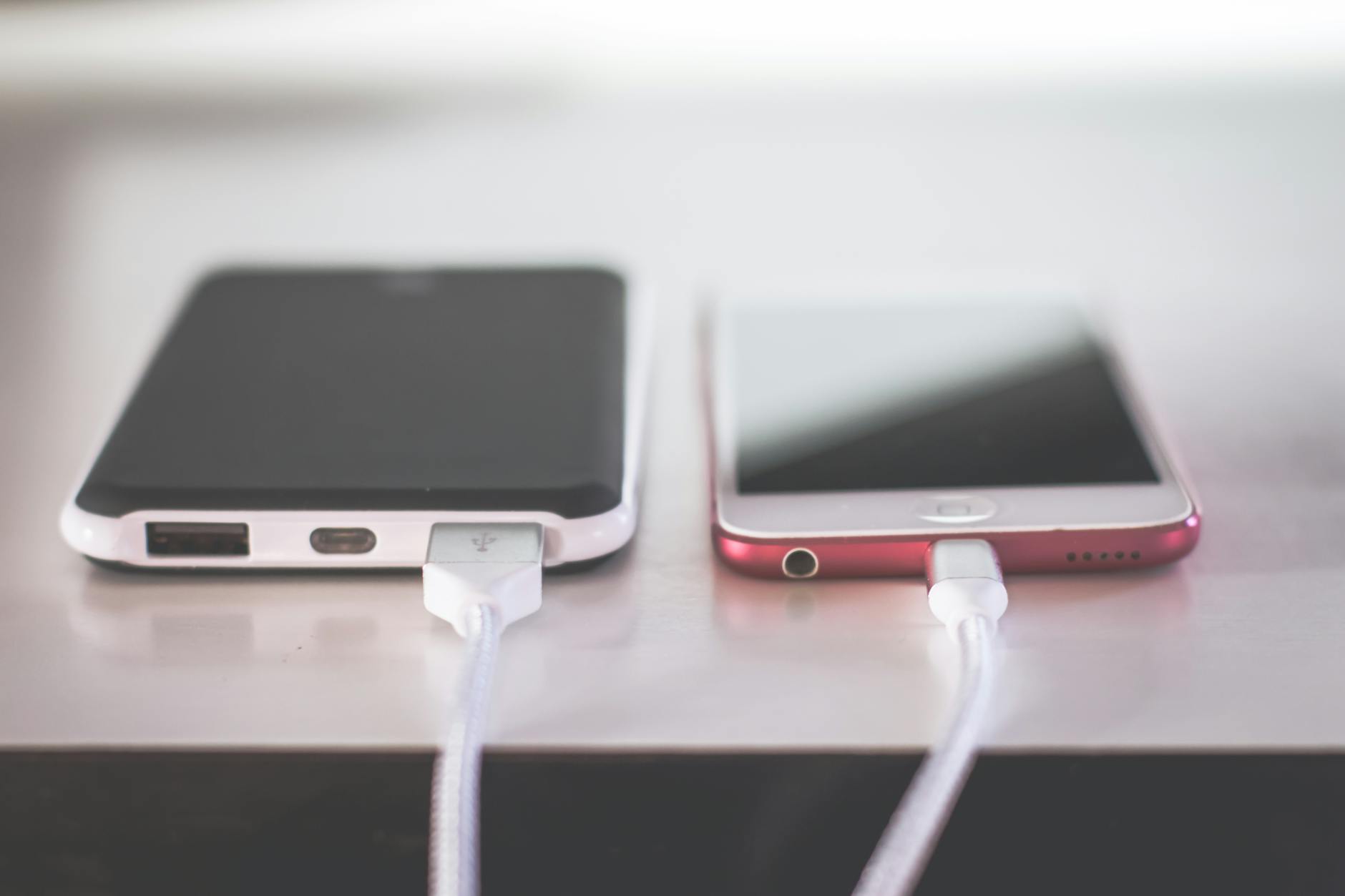
Find the best portable power bank for travel today!
August 17, 2026 16 min read 3,210 words
Keep your essential devices charged and ready for every adventure, ensuring seamless connectivity wherever you roam.
Explore Top Power Banks
Understanding Portable Charger Essentials for Travelers
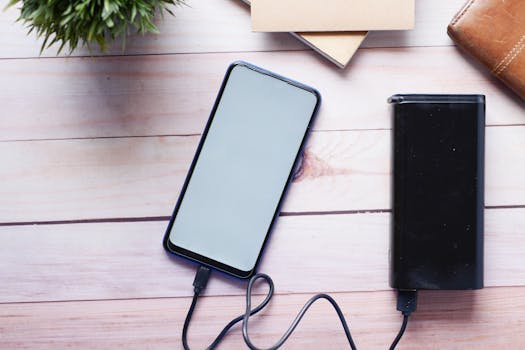 Photo: Towfiqu barbhuiya / Pexels
In today's hyper-connected world, a dead phone battery is more than just an inconvenience; it can be a safety concern, a missed photo opportunity, or a lost navigation tool. For travelers, this reality is amplified. Whether you're navigating bustling city streets, hiking remote trails, or enduring long-haul flights, having a reliable power source is non-negotiable. This comprehensive guide will delve into what makes the best portable power bank for travel, ensuring you make an informed decision that perfectly suits your adventurous lifestyle.
The core function of a portable power bank, often called a portable charger or external battery, is simple: to store electrical energy and transfer it to your devices when you're away from a wall outlet. However, the nuances lie in their capacity, output, input, and design. Capacity, measured in milliampere-hours (mAh), is arguably the most critical specification. A higher mAh rating means more charge cycles for your devices. For instance, a 10,000mAh power bank can typically charge a standard smartphone 2-3 times, while a 20,000mAh or 25,000mAh unit might handle multiple phone charges, a tablet charge, or even a partial laptop charge. Understanding your devices' battery sizes is key to selecting the appropriate capacity. For example, an iPhone 15 Pro Max has a battery around 4,400mAh, meaning a 10,000mAh power bank would provide approximately two full charges, accounting for efficiency losses.
Beyond capacity, the output ports and wattage are paramount. Modern power banks feature various USB ports: USB-A (the traditional rectangular port), USB-C (the reversible, faster port), and sometimes even DC outputs for laptops. USB-C with Power Delivery (PD) is the gold standard for rapid charging, capable of delivering significantly more power (up to 100W or more) compared to older USB-A ports (typically 5W-18W). If you plan to charge laptops, tablets, or multiple devices simultaneously, prioritize power banks with high-wattage USB-C PD output. For instance, a 45W or 60W USB-C PD port can quickly recharge many modern laptops, a feature invaluable for digital nomads or business travelers.
Exploring the latest in charging technology can further illuminate these advancements. Input charging speed is also important; a power bank that takes an entire day to recharge itself isn't practical. Look for models that support fast input charging via USB-C PD, allowing you to top up the power bank quickly during short stops.
Finally, the physical attributes like size, weight, and durability play a significant role in its suitability for travel. A bulky, heavy power bank might offer immense capacity but could be a burden in your carry-on. Conversely, an ultra-compact unit might lack the juice you need for extended trips. Finding the right balance is crucial. Many travelers also seek features like built-in cables, wireless charging capabilities, or even integrated wall plugs for added convenience. Some premium models even offer rugged, water-resistant designs, perfect for outdoor adventurers. Understanding these core elements forms the foundation for choosing the best portable power bank for your unique travel needs.
Top Considerations When Choosing Your Travel Power Bank
Photo: Towfiqu barbhuiya / Pexels
Selecting the ideal power bank for your journeys involves a careful evaluation of several critical factors beyond just capacity. The choices can be overwhelming, but by focusing on these key considerations, you can narrow down the options and find a device that truly enhances your travel experience.
**Airline Regulations and Capacity Limits:** This is perhaps one of the most overlooked yet crucial aspects for air travelers. The Federal Aviation Administration (FAA) in the US, and similar regulatory bodies globally, restrict the size of lithium-ion batteries that can be carried on airplanes. Power banks must be carried in carry-on luggage; they are strictly prohibited in checked baggage due to fire risk. The maximum allowable capacity for most airlines without special permission is 100 watt-hours (Wh), though some permit up to 160 Wh with airline approval. To convert mAh to Wh, use the formula: (mAh * V) / 1000 = Wh, where V is the nominal voltage (typically 3.7V for most power banks). For example, a 27,000mAh power bank (27,000 * 3.7 / 1000 = 99.9 Wh) is generally the largest you can carry on without special permission. Any power bank exceeding 27,000mAh-30,000mAh should be checked for its Wh rating to ensure compliance. Exceeding these limits could lead to confiscation, ruining your travel plans before they even begin.
**Charging Speed and Output Ports:** As mentioned, USB-C Power Delivery (PD) is king for speed. Look for power banks that offer at least one USB-C PD port with an output of 30W or higher if you intend to charge laptops or quickly top up modern smartphones. Many devices, particularly newer iPhones and Android flagships, can utilize 20W-30W for rapid charging. For older devices or accessories, standard USB-A ports (QC 3.0 compatible for faster charging) are still useful. Consider the number of ports you need; if you frequently charge a phone and a tablet simultaneously, a power bank with multiple output ports (e.g., 1 USB-C PD, 2 USB-A) will be invaluable. Some power banks even integrate Qi wireless charging, offering a cable-free option for compatible devices, though this is generally slower than wired charging.
**Size, Weight, and Durability:** The best power bank for travel is one you'll actually carry. A behemoth 40,000mAh unit might offer incredible capacity but will weigh down your bag. Conversely, a tiny 5,000mAh unit might be light but won't provide enough juice for extended use. For most travelers, a sweet spot lies between 10,000mAh and 20,000mAh for phones/tablets, and up to 27,000mAh for those needing laptop support. Consider the power bank's footprint; slim designs slide easily into pockets or small compartments. Durability is also key, especially for adventurous travelers. Look for robust casings, and if you're prone to drops or exploring rough terrain, consider rugged, shock-resistant, or even water-resistant models. Brands often specify IP ratings for water and dust resistance.
**Additional Features and Budget:** Some power banks come with integrated features that enhance convenience, such as built-in AC wall prongs, allowing the power bank to also function as a wall charger, or built-in USB cables, eliminating the need to carry extra wires. Solar charging panels are available on some rugged models, offering a trickle charge in emergencies, though they are generally too slow for primary charging. A bright LED flashlight can also be a useful addition for campers or in unexpected power outages. Lastly, consider your budget. While premium power banks with high capacity and advanced features can be an investment, there are many reliable, affordable options that still deliver excellent performance for most travel scenarios. Balancing features with cost ensures you get the best value for your specific travel requirements. Making an informed decision here can significantly improve your overall travel tech setup.
Discovering essential travel gadgets can further enhance your packing list.
Recommended Portable Power Banks for Diverse Travel Needs
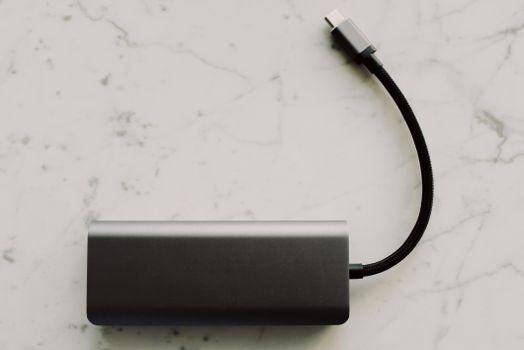 Photo: ready made / Pexels
With the vast array of portable power banks on the market, it can be challenging to pinpoint the absolute best. Our recommendations are categorized to address different traveler profiles, ensuring you find a perfect match whether you're a minimalist, a digital nomad, or an outdoor enthusiast.
**For the Everyday Traveler (10,000mAh - 15,000mAh):**
* **Anker PowerCore Slim 10000 PD:** This is a perennial favorite for its excellent balance of capacity, portability, and fast charging. At 10,000mAh, it provides 2-3 phone charges, perfect for day trips or weekend getaways. It features a 20W USB-C PD output for quick charging modern smartphones and a USB-A port for versatility. Its slim profile makes it easy to slip into any bag or pocket. Anker's reputation for reliability and safety is a huge plus.
* **Charmast 10400mAh Portable Charger:** A strong contender offering a similar capacity with a focus on compactness. Many models from Charmast include multiple output ports (USB-C PD, USB-A) and often come with a digital display showing precise battery percentage, which is a convenient feature for travelers who want to monitor their power levels accurately. Its lightweight design is ideal for carry-on only travelers.
**For the Digital Nomad & Laptop User (20,000mAh - 27,000mAh):**
* **Anker PowerCore III Elite 25600 PD 60W:** This power bank is a beast, designed to keep laptops, tablets, and phones charged for days. With 25,600mAh, it's just under the FAA's 100Wh limit, making it airline-compliant. Its 60W USB-C PD output can charge most USB-C laptops at near-full speed, and it often includes additional USB-A ports. It's an investment, but invaluable for those who work on the go or have multiple power-hungry devices.
* **Goal Zero Sherpa 100PD:** While often pricier, Goal Zero is renowned for its robust and feature-rich power solutions. The Sherpa 100PD (94.72Wh) offers 100W USB-C PD output, capable of powering even demanding laptops like MacBook Pros. It often includes wireless charging, multiple USB-A ports, and a clear OLED display for detailed power information. Its rugged design also appeals to adventurers.
**For the Adventurous & Rugged Traveler (5,000mAh - 20,000mAh, with durability):**
* **BioLite Charge 20 PD / Charge 40 PD:** BioLite specializes in outdoor gear, and their Charge series power banks are built to withstand the elements. They feature durable, splash-proof casings and come in 20,000mAh and 10,000mAh capacities. With USB-C PD and USB-A outputs, they offer reliable charging for phones and smaller devices, making them perfect companions for hiking, camping, or beach trips where unexpected splashes might occur.
* **Dark Energy Poseidon Pro:** This power bank is engineered for extreme durability, boasting an IP68 waterproof and dustproof rating, and military-grade drop protection. At 10,000mAh, it's designed to survive the harshest environments while providing reliable power. It features both USB-C and USB-A outputs, making it suitable for charging phones and action cameras in challenging conditions. While it might be overkill for urban travel, it's a lifeline for serious adventurers.
When making your final selection, consider not just the initial cost but also the long-term value, reliability, and how well it integrates with your specific travel habits and devices. Reading user reviews for real-world performance insights can also be incredibly helpful. The best portable power bank for travel is ultimately the one that provides peace of mind and keeps you powered up, no matter where your journey takes you.
Exploring innovative charging solutions can help you stay ahead of the curve.
Essential Tips for Maximizing Your Power Bank's Performance and Lifespan
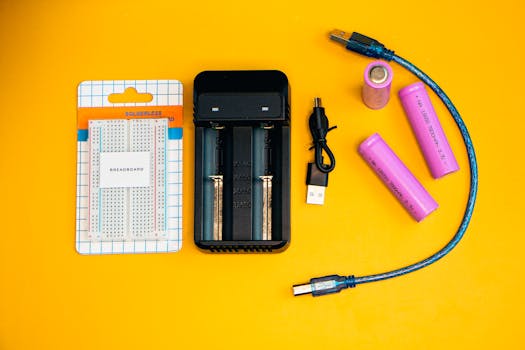 Photo: Tanha Tamanna Syed / Pexels
Owning the best portable power bank for travel is only half the battle; knowing how to use it effectively and maintain its health ensures it serves you faithfully for years to come. Here are crucial tips to get the most out of your portable power companion:
**1. Charge It Fully Before Every Trip:** This might seem obvious, but it's often overlooked. Always ensure your power bank is at 100% capacity before embarking on any journey. A partially charged power bank can leave you stranded, especially during unexpected delays or extended periods away from an outlet.
**2. Use Quality Cables:** The charging cable is just as important as the power bank itself. Cheap or damaged cables can significantly reduce charging efficiency and speed, or even pose a safety risk. Invest in high-quality, durable USB-C PD cables for fast charging and robust USB-A cables for other devices. Look for cables from reputable brands that match the power output capabilities of your power bank.
**3. Understand Pass-Through Charging (or Avoid It):** Some power banks offer 'pass-through charging,' meaning they can charge connected devices while being charged themselves. While convenient, this can generate more heat and potentially reduce the lifespan of the power bank's battery. If possible, charge the power bank first, then use it to charge your devices. If pass-through is a must, ensure your power bank is designed for it and doesn't overheat.
**4. Store It Properly:** When not in use, store your power bank in a cool, dry place, away from direct sunlight and extreme temperatures. Lithium-ion batteries, which power most modern power banks, degrade faster in heat. Avoid leaving it in a hot car. For long-term storage, it's often recommended to store it with about a 50-70% charge, not fully depleted or fully charged, to preserve battery health.
**5. Avoid Over-Discharging and Over-Charging:** Most modern power banks have built-in protection circuits to prevent over-discharging (draining to 0%) and over-charging (continuously charging past 100%). However, consistently pushing these limits can still stress the battery. Try to recharge your power bank before it completely dies and unplug it once it's full.
**6. Clean the Ports Regularly:** Dust, lint, and debris can accumulate in the charging ports of both your power bank and your devices, leading to poor connections or charging issues. Use a small, non-metallic tool (like a toothpick or a can of compressed air) to gently clean the ports periodically.
**7. Check Airline Regulations (Reiterate):** Always double-check the latest airline regulations regarding portable power banks, especially for international travel, as rules can vary. The 100Wh limit for carry-on is a general guideline, but specific airlines might have slightly different policies or require notification for capacities between 100Wh and 160Wh.
**8. Prioritize Device Charging:** If you have multiple devices and limited power bank capacity, prioritize charging your most essential devices first. Your phone for communication and navigation, for example, might take precedence over a less critical gadget.
**9. Consider a Protective Case:** For rugged travelers or those prone to accidental drops, a silicone sleeve or a protective case can add an extra layer of defense against bumps, scratches, and minor impacts, extending the life of your power bank.
By following these best practices, your portable power bank will remain a reliable travel companion, keeping your devices charged and your adventures uninterrupted for many trips to come. Remember, a well-maintained power bank is a powerful tool for modern travel.